
The evolution of gambling tracing its roots through history
The Origins of Gambling
The practice of gambling can be traced back thousands of years, with evidence suggesting its existence in ancient civilizations. Archaeological findings reveal that the earliest known gambling activities occurred in China around 2300 BC, where rudimentary games of chance were played with tiles. Similarly, ancient Egyptians are believed to have engaged in gambling, as artifacts from their time include dice and gambling boards. As you explore more about this topic, don’t forget to check out https://thewyyungpub.com/ for resources on modern gambling practices.
As societies evolved, so did the forms of gambling. The Romans popularized various games, including betting on chariot races and gladiator contests. The inclusion of gambling in these events not only entertained but also fostered a culture of risk-taking, setting the stage for the development of more structured gambling formats in the future.
The Growth of Gambling in the Middle Ages
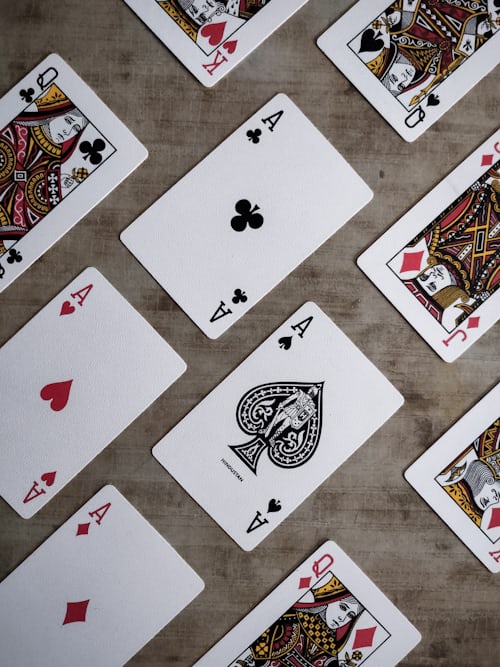
During the Middle Ages, gambling became increasingly integrated into European culture. The invention of playing cards in the 14th century brought about new games such as poker and blackjack, which would later gain immense popularity. Gambling halls emerged in cities, providing venues for social interaction and entertainment.
This period also saw the rise of lotteries, often organized by governments to fund public projects. These early lotteries were primarily aimed at raising funds for infrastructure, showcasing how gambling could serve a dual purpose of entertainment and social benefit. However, it also paved the way for concerns regarding addiction and the ethical implications of gambling, issues that would persist throughout history.
The Modern Era of Gambling
The 19th century marked a significant shift in the landscape of gambling, particularly with the establishment of formal casinos in Europe and the United States. The introduction of the Monte Carlo casino in Monaco set a precedent for luxury gambling destinations, attracting affluent individuals seeking both entertainment and the thrill of chance.
With the advent of the industrial age, gambling saw a transformation with the introduction of betting on horse races and other sports. This era also heralded the birth of regulated gaming, as governments began to recognize the potential tax revenues from legal gambling activities. However, this period was also characterized by growing awareness of gambling addiction, prompting discussions about responsible gambling practices.
The Digital Revolution and Online Gambling
The late 20th century witnessed the digital revolution, fundamentally altering the gambling landscape. The rise of the internet paved the way for online gambling, allowing players to engage in their favorite games from the comfort of their homes. Online casinos and sportsbooks emerged, offering a plethora of options that were previously unavailable.
This new digital environment has also introduced innovative payment methods and enhanced security measures, making online gambling more accessible and safer than ever. However, it has also raised concerns regarding gambling addiction, leading to the implementation of measures to promote responsible gambling and support those affected by problem gambling.

Discover More About Gambling and Responsible Practices
As gambling continues to evolve, it is crucial for players to stay informed about the history and practices of the industry. Understanding its roots can provide valuable insights into the current landscape, especially concerning the importance of responsible gambling. Awareness of potential risks and the support available is essential for a healthy gaming experience.
For those interested in exploring the world of gambling further, our platform offers comprehensive resources, including information on secure payment methods, game reviews, and responsible gambling guidelines. We aim to equip players with the knowledge necessary for safe and enjoyable gaming adventures, whether online or at traditional venues.